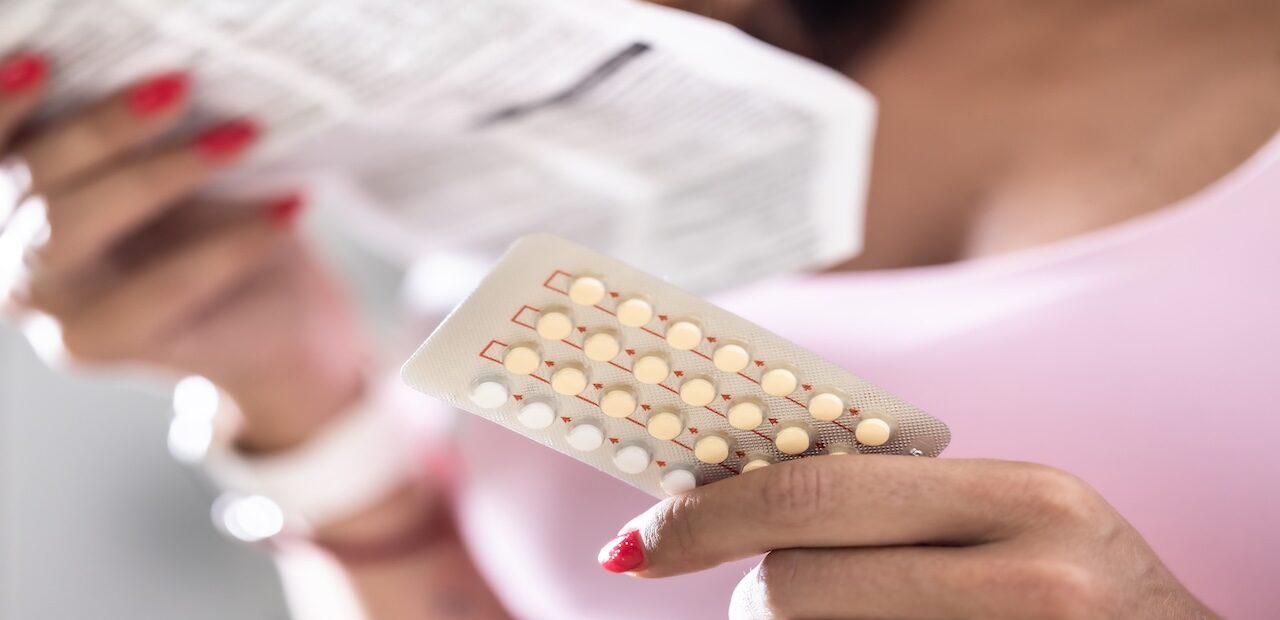


Not all GLP-1s carry the same contraceptive risk. Tirzepatide delays gastric emptying enough that its labeling advises backup or non-oral contraception for four weeks after starting and after every dose increase. Semaglutide is a different, where vomiting and severe diarrhea — not a direct interaction — are the concern. This scenario opens with a pregnancy while taking a birth control pill and breaks down GLP-1 medications and oral contraceptive efficacy, why non-oral methods are unaffected, and what to build into routine counseling.
The scenario:
A 24-year-old patient (she/her) comes in after missing a period. She has a history of PCOS and irregular periods, but reports her periods have been fairly regular since taking birth control pills. In the clinic, her urine pregnancy test is positive. She is surprised and upset, as she’s been using a combined oral contraceptive (COC) for the past 2 years.
On further history, you learn she started a weekly GLP-1 injectable for weight loss about 6 months ago that she gets from a local med spa. She doesn’t remember the exact name but thinks it starts with a “s.” Since starting the injection, she’s had intermittent nausea and a few episodes of vomiting, especially in the days after injections and after she increases the dose. She asks “how did this happen?”
What factors might explain pregnancy on pills in this scenario?
First, it’s important to remember that exploring why a pregnancy occurred while using contraception is only relevant if a patient wants to have that conversation. Birth control methods fail, people don’t fail.
In this situation, the patient does want to understand what may have contributed. When someone gets pregnant on oral contraceptives, it might not be a single factor, but rather an accumulation of common real-world factors, including:
- Typical-use pill effectiveness, including late or missed doses
- GI symptoms, like vomiting, that can compromise absorption
- Medication-specific interactions
- Increased baseline fertility with GLP-1 use, as weight changes can contribute to more regular ovulation, especially in patients with a history of PCOS
This is a good moment to stay curious and non-judgemental. The goal is to respond to the patient’s concern and help them navigate next steps.
Do GLP-1 medications reduce birth control pill effectiveness?
The short answer is: it depends.
- Tirzepatide (brand names Mounjaro & Zepbound) is the standout: Tirzepatide may reduce the efficacy of oral hormonal contraceptives because of how it delays gastric emptying. The prescribing information advises patients using oral hormonal contraception to switch to a non-oral method or add a barrier method for 4 weeks after starting tirzepatide and for 4 weeks after each dose increase.
- Other GLP-1s like semaglutide (brand names Wegovy/Ozempic): there is less concern about a direct drug-drug interaction. Instead, the primary issue is side effects, particularly vomiting or severe diarrhea.
- COC effectiveness might be decreased with vomiting or severe diarrhea. Because direct evidence is limited, management is typically aligned with missed-pill recommendations.
Why aren’t non-oral contraceptive methods affected by GLP-1 medications?
Non-oral methods (IUDs, implant, injection, patch, ring) don’t rely on GI absorption. As a result, delayed gastric emptying, vomiting, or diarrhea from GLP-1 medications don’t affect hormone absorption the way it can with pills. When a contraceptive method bypasses the GI tract, GI side effects and gastric-emptying effects are much less likely to translate into reduced contraceptive effectiveness.
How can a provider respond after a positive pregnancy test?
This scenario is less about “fixing what went wrong with the pill” and more about supportive, time-sensitive next steps.
Key clinical priorities include:
- Confirming pregnancy, assessing gestational age, and ruling out ectopic symptoms
- Discussing options in a non-directive, patient-centered way and offering resources based on the patient’s clinical situation and access realities.
- Reviewing current medications
- GLP-1 medications are not recommended in pregnancy
- Depending on the client’s next steps, it may be recommended for them to discontinue the medication
For next time: what to build into GLP-1 counseling
Whether or not you specifically prescribe GLP-1s, increasing use makes it important to routinely assess for GLP-1 medication use among patients of reproductive age. Many patients obtain these medications outside traditional health care settings or from providers outside your network. They may not have received counseling related to their reproductive desires or contraception.
- If the patient is on tirzepatide and using oral hormonal contraception:
- Switch to non-oral contraception or add condoms for 4 weeks after initiation and 4 weeks after each dose escalation.
- Offer non-oral that bypass GI absorption (ring, patch if eligible, injection, implant, IUD)—centered on patient preference and access.
- If the patient has vomiting/severe diarrhea on any regimen:
- Counsel that pill absorption may be compromised.
- Use missed-pill guidance to inform counseling and backup recommendations.
Key Points
- Not all GLP-1s are equal: tirzepatide has label-based guidance to use non-oral contraception or backup contraception for 4 weeks after starting and after each dose increase.
- For all COCs, vomiting or severe diarrhea can decrease effectiveness
- Use the US-SPR guidance for missed-pills due to limited direct evidence.
- Regardless of whether you prescribe GLP-1 medications, assess patients’ use of these medications and provide relevant contraceptive counseling as appropriate.
- If pregnancy occurs, focus on supportive counseling, options, and a forward plan—not on “perfect use” hindsight.